Q & A
What is the difference between 2-way and 3-way?
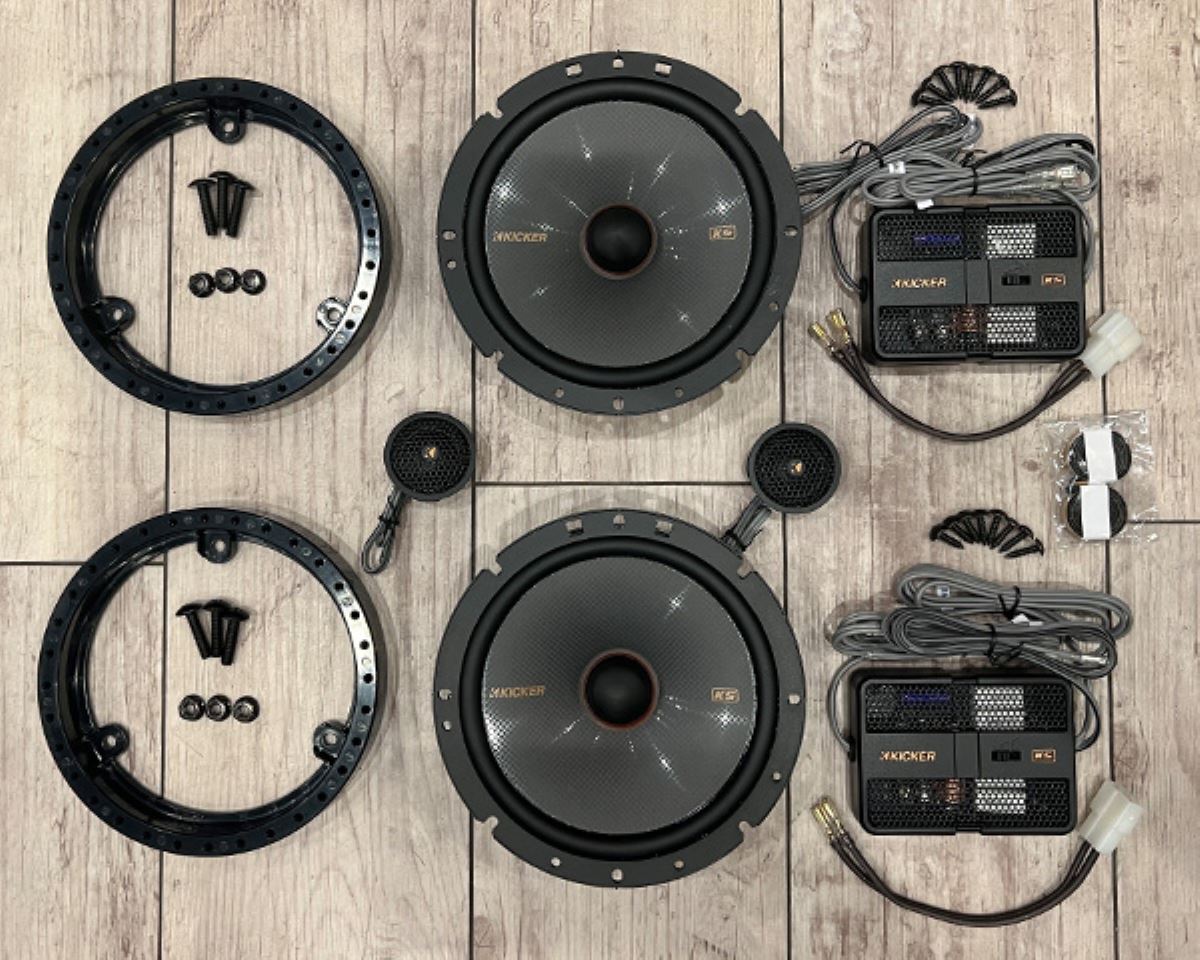
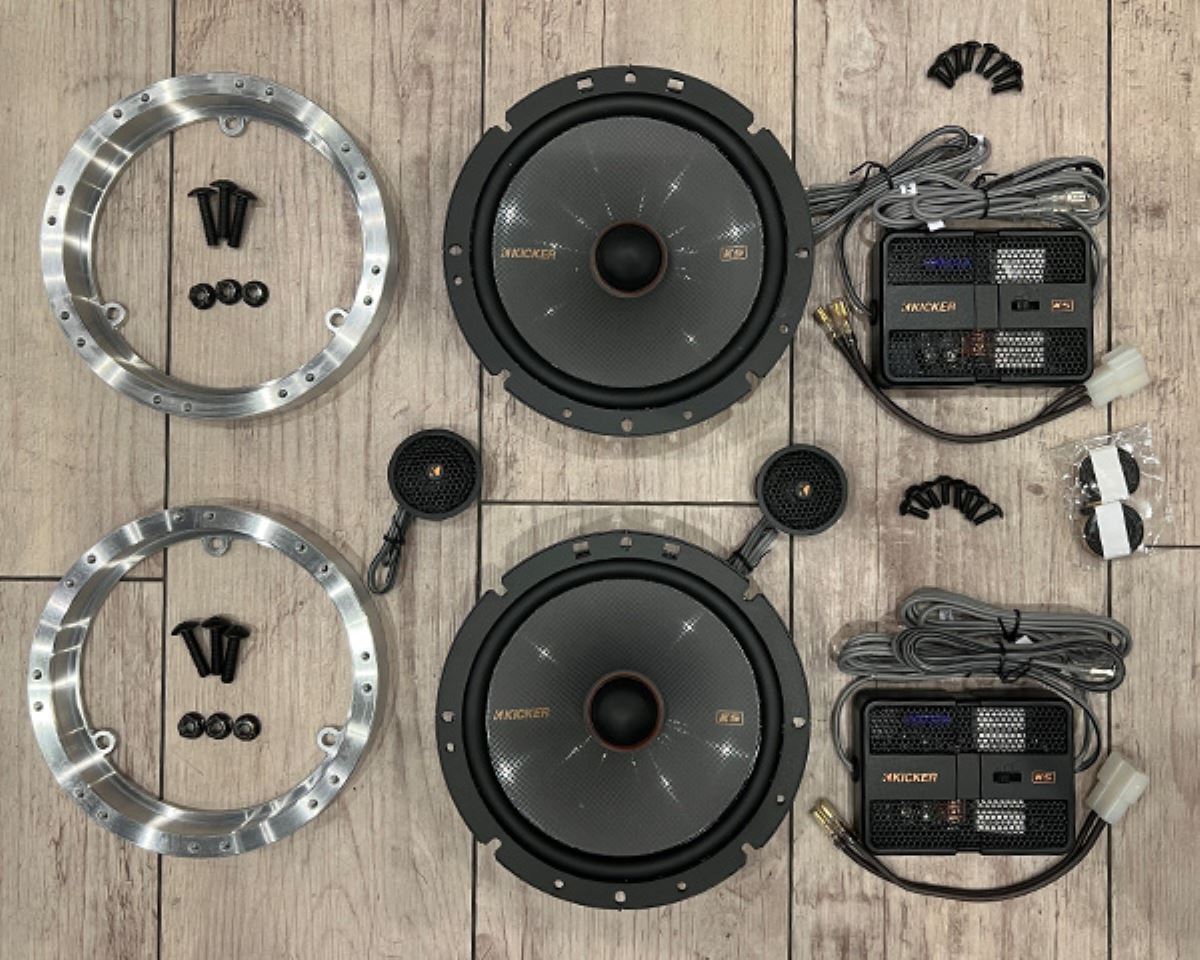
The difference between 2WAY and 3WAY is the number of bands (how many parts) the sound is split into to play.
In simple terms:
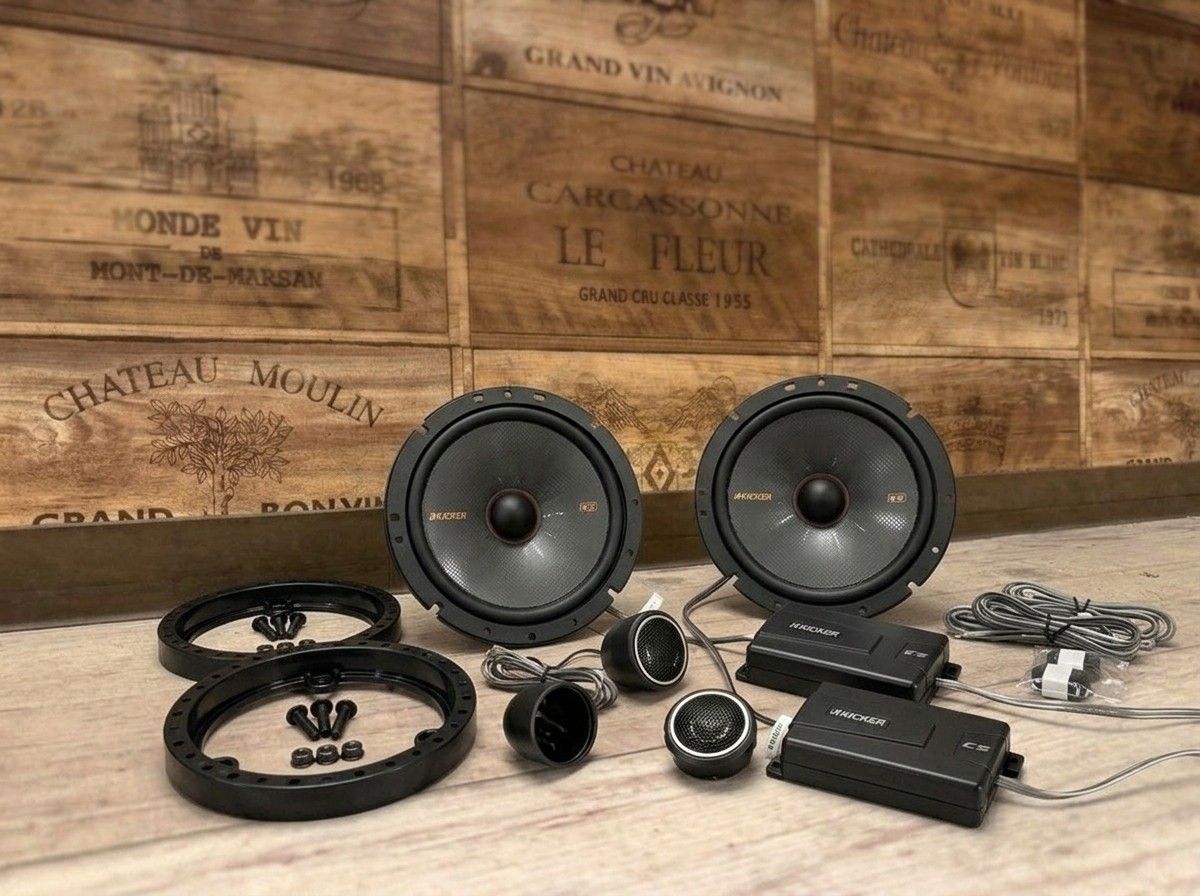
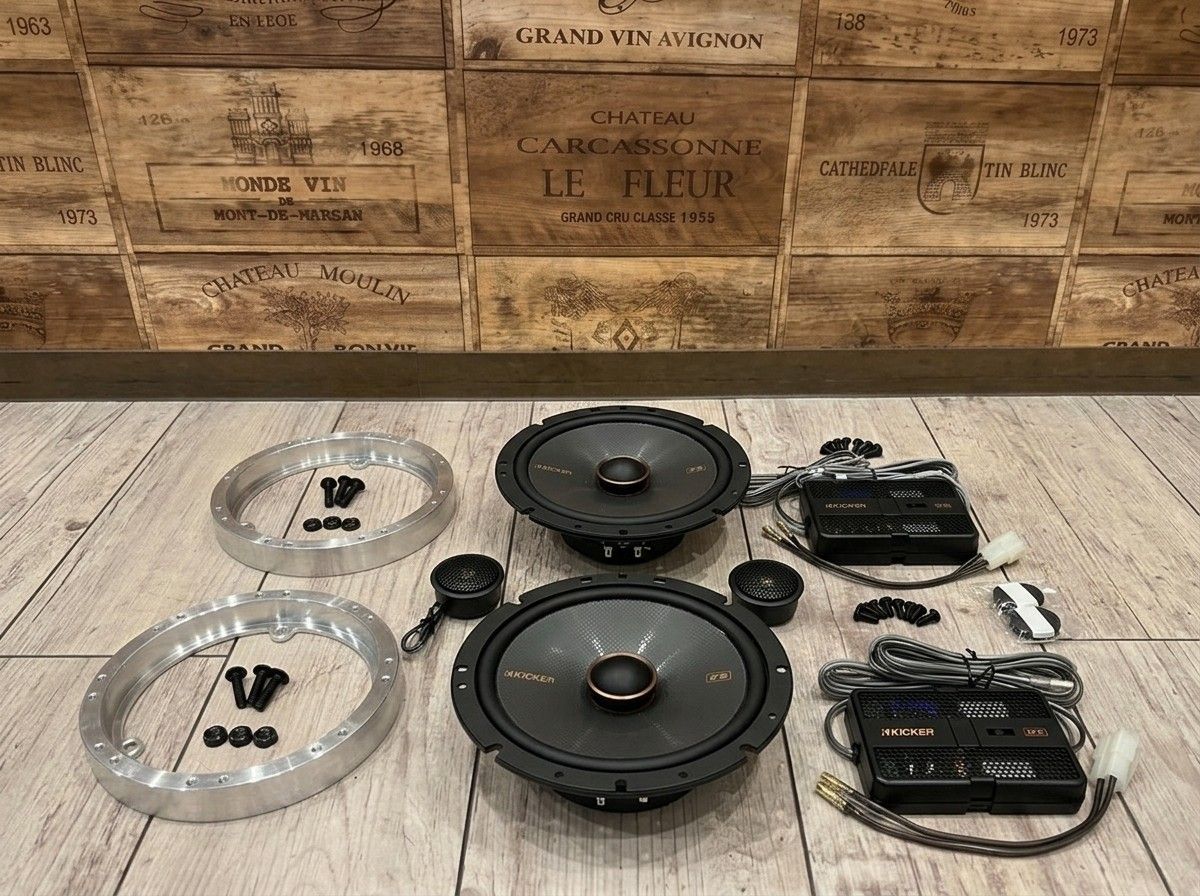
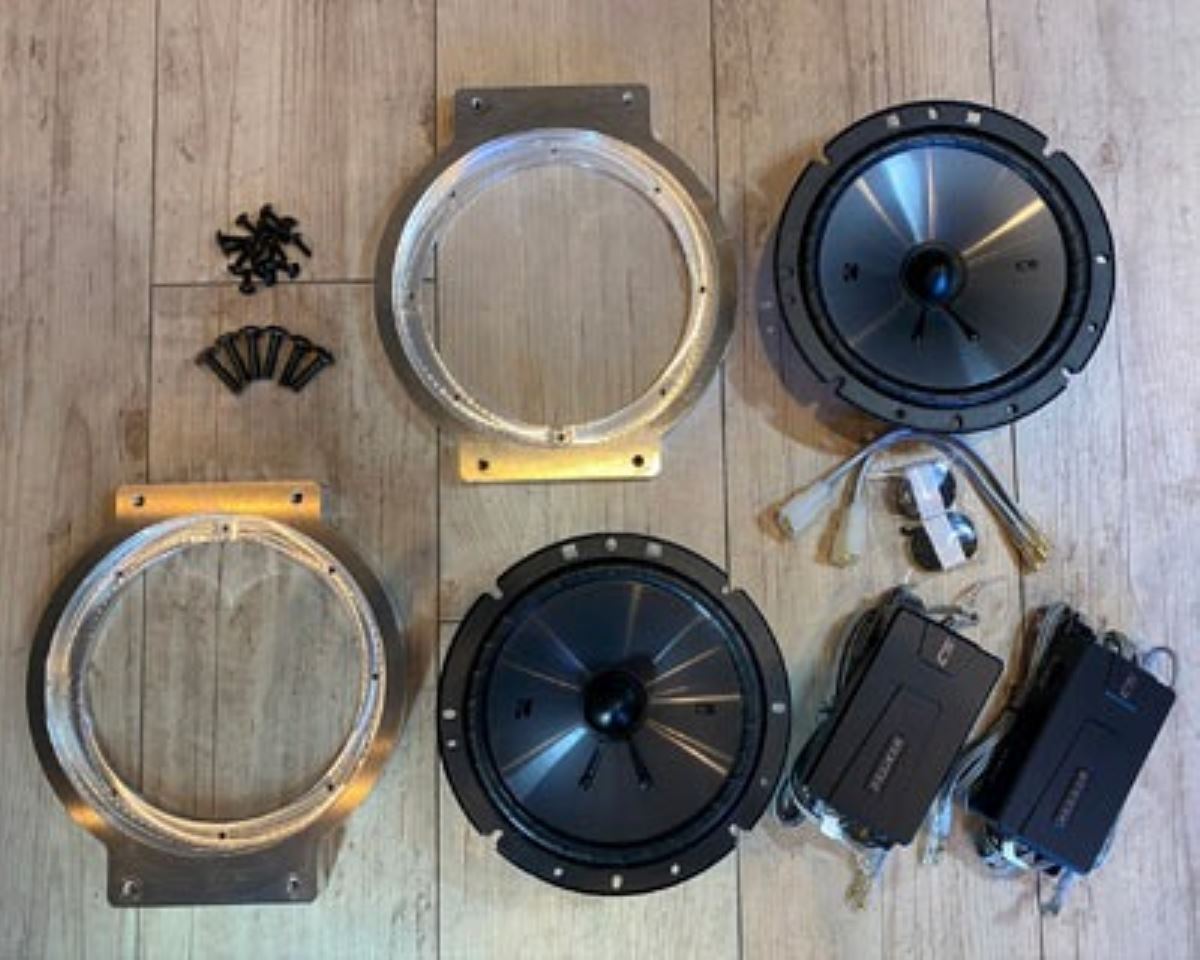
- 2WAY is a type that splits sound into two parts: high and mid-bass/low-mid
- 3WAY is a type that splits sound into three parts: high, mid, and low
Because of this difference, the way the sound comes together and the level of detail in the expression will change.
Since a 2WAY setup is simple in structure, a key feature is that the sound-quality upgrade from the stock system is easier to notice and the overall balance is easier to dial in.
It’s also a popular choice for those who are thinking about replacing their speakers for the first time, and tends to come together in a way that’s comfortable to listen to and naturally improves.
With 3WAY, because the midrange can be handled by a dedicated speaker, it’s easier to bring out vocal presence, sound thickness, and a sense of separation.
When it’s set up well, the sounds are more likely to line up neatly toward the front, making it easier to sense the positions of instruments and vocals.
However, while 3WAY has a lot going for it, it also involves:
- Ensuring enough mounting space
- Layout differences by vehicle model
- The need for finer adjustments
- The combination with the gear you use
These factors strongly affect the final result.
So, 3WAY is not always the guaranteed “right answer.”
Depending on the vehicle, your budget, and what kind of sound you like, it’s quite possible that a 2WAY setup will deliver higher satisfaction.
Even at LOGON, we don’t decide recommendations based on the visual configuration alone. Instead, we look at things like:
- Where your current dissatisfaction lies
- How much you want to change
- What kind of music you usually listen to
- Whether the installation conditions are realistic
With that in mind, we shape a setup that you can be genuinely satisfied with using 2WAY.