Q & A
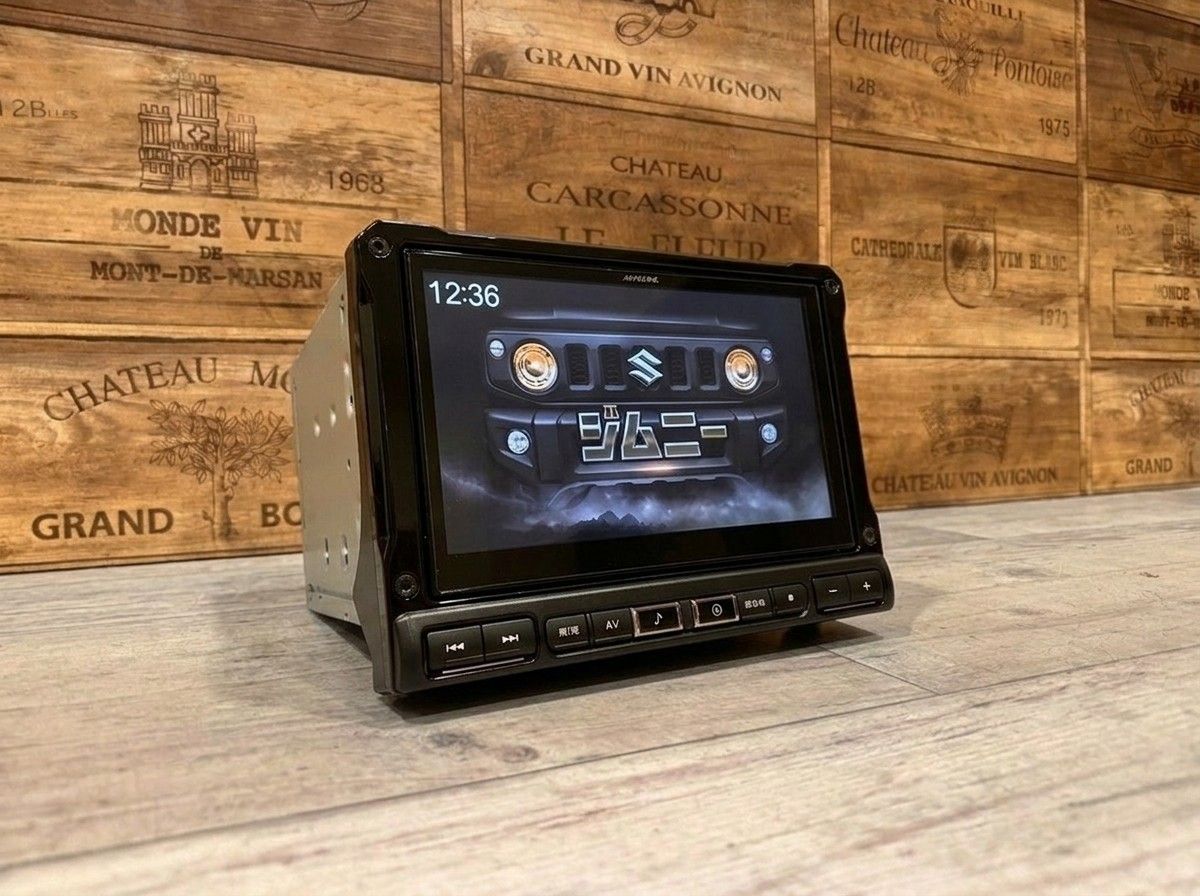
Should I adjust the sound quality settings on the factory navigation system?
Yes, there are cases where adjusting it is a good idea.
However, rather than tweaking blindly, it’s recommended to proceed by paying attention to what sounds off in your current audio.
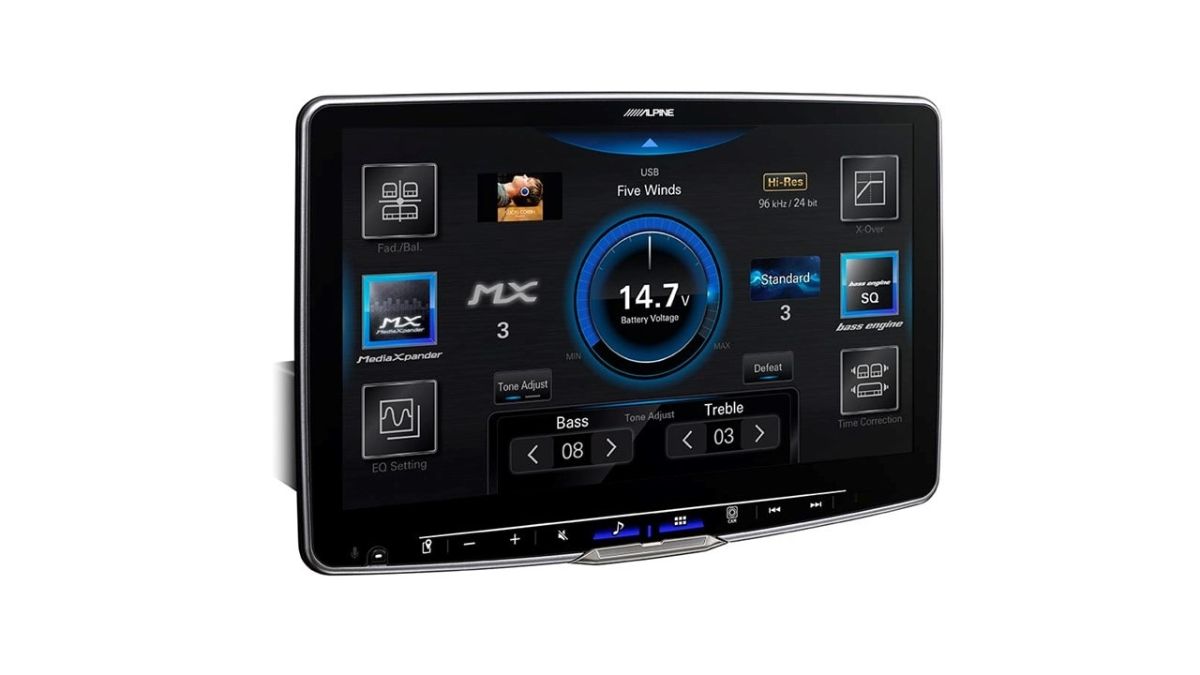
Even OEM navigation systems sometimes include functions that let you adjust the sound.
For example:
- Changing the strength of the treble and bass
- Adjusting how sounds come through from the front/back and left/right
- Shifting the sound toward a position that’s easier to hear across the whole cabin
These are the kinds of settings you can make.
Even just reviewing these functions a little can help to
make voices easier to understand, reduce a “muffled” feel, and improve overall listening comfort.
That said, what you should be careful about here is not changing things too drastically.
If you raise the bass or treble too much, the balance can get thrown off—sometimes making you tire of listening more easily.
It’s safest to change things slightly at first and stop where there’s no awkwardness.
Also, there are limits to how much you can improve using only the OEM navigation’s adjustments.
That’s because the parts that can be corrected via settings and the parts that change with speaker replacement or mounting method are different.
In fact, at LOGON there are both:
- Cases where you can be satisfied just by fine-tuning the settings a bit
- Cases where the OEM setup isn’t quite enough, and you need to make a clear improvement with a speaker replacement
You may get consultations such as:
“ I’m not sure whether it’s okay to adjust the settings.”
“ It’s hard to tell whether my current sound is normal or shifted.”
These are surprisingly common.
In such cases, you don’t need to tweak everything in minute detail.
We can guide you based on your vehicle model and how you use it, including whether your current dissatisfaction is likely to be improved by settings or whether you should change the equipment.
Sometimes a small adjustment is enough to make listening easier, and if necessary, we can also help you organize how to choose what comes next.
Just knowing “which sound is bothering you” is enough to start.