DSP replacement labor cost if passive crossover is already installed (details)
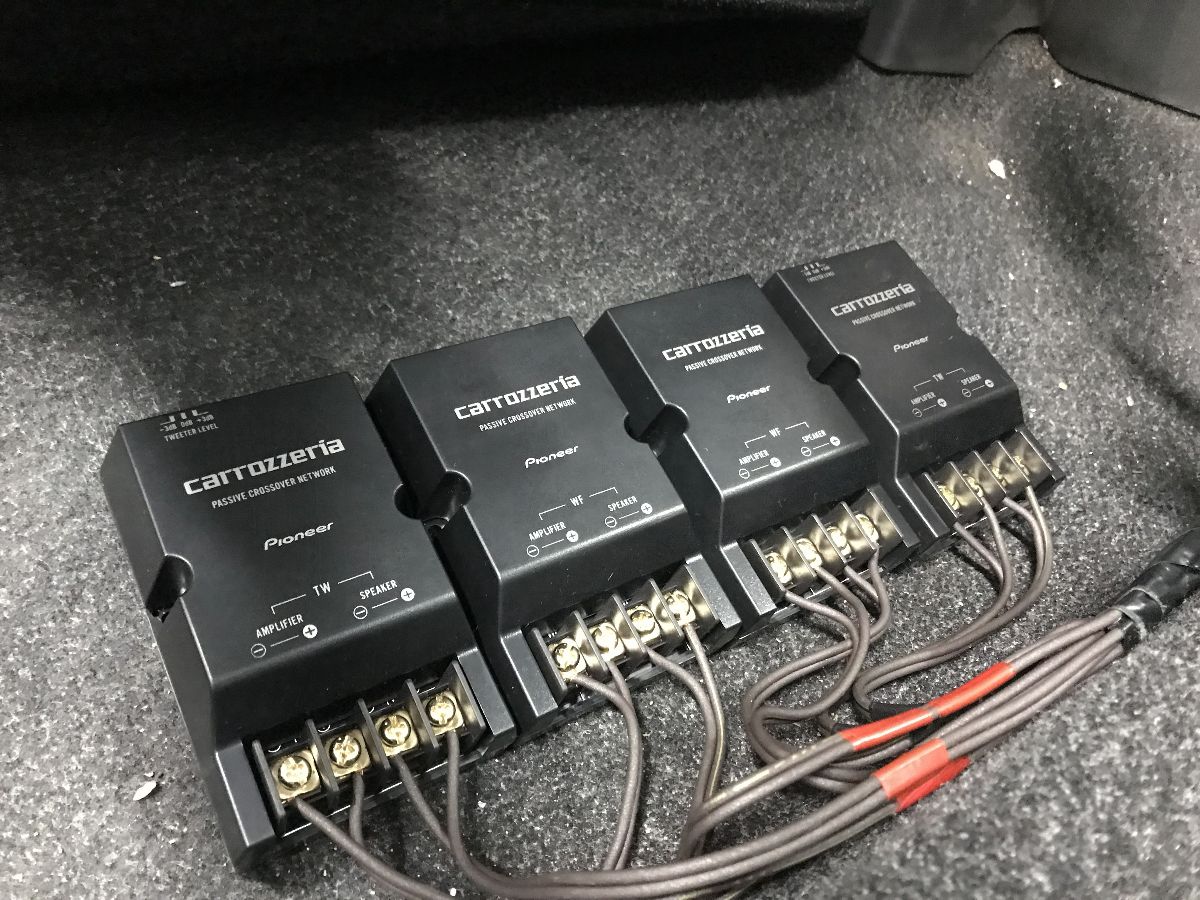
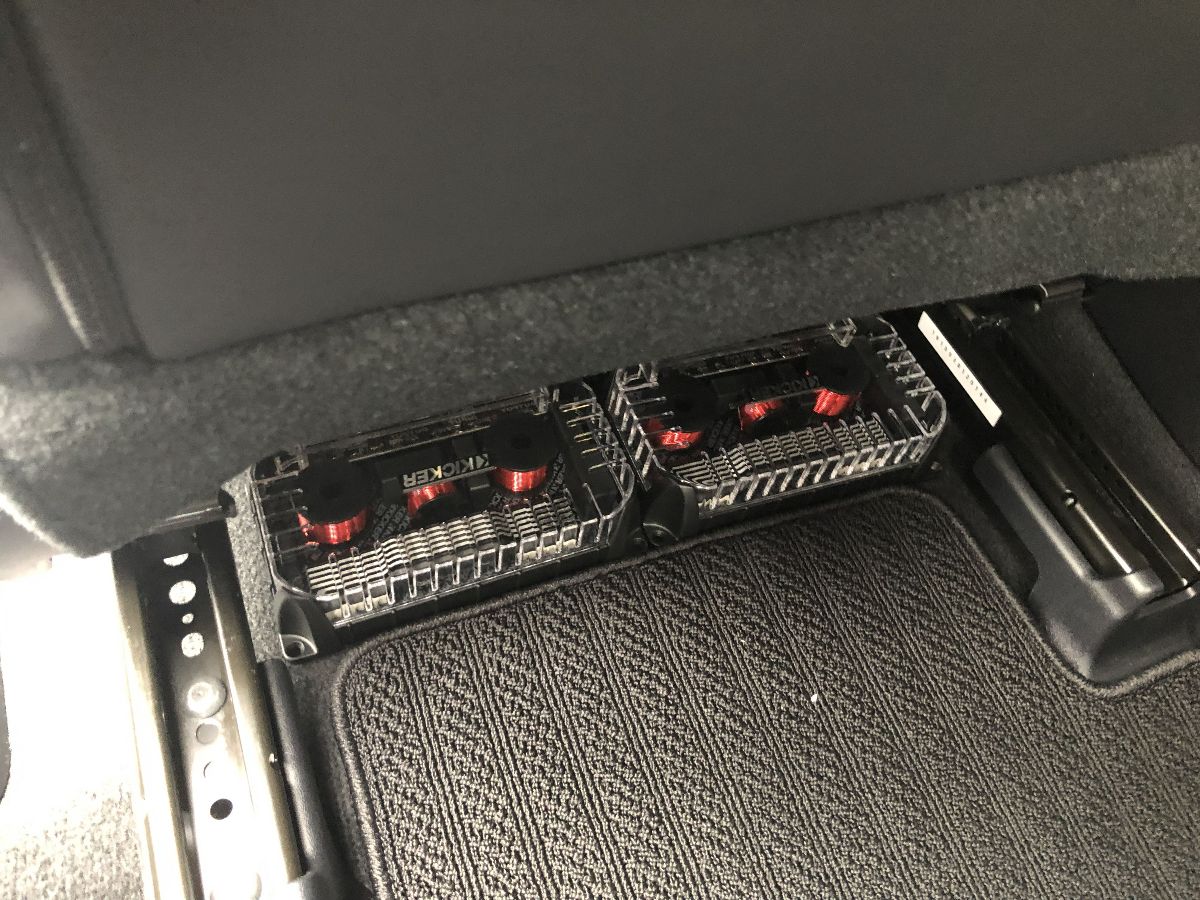
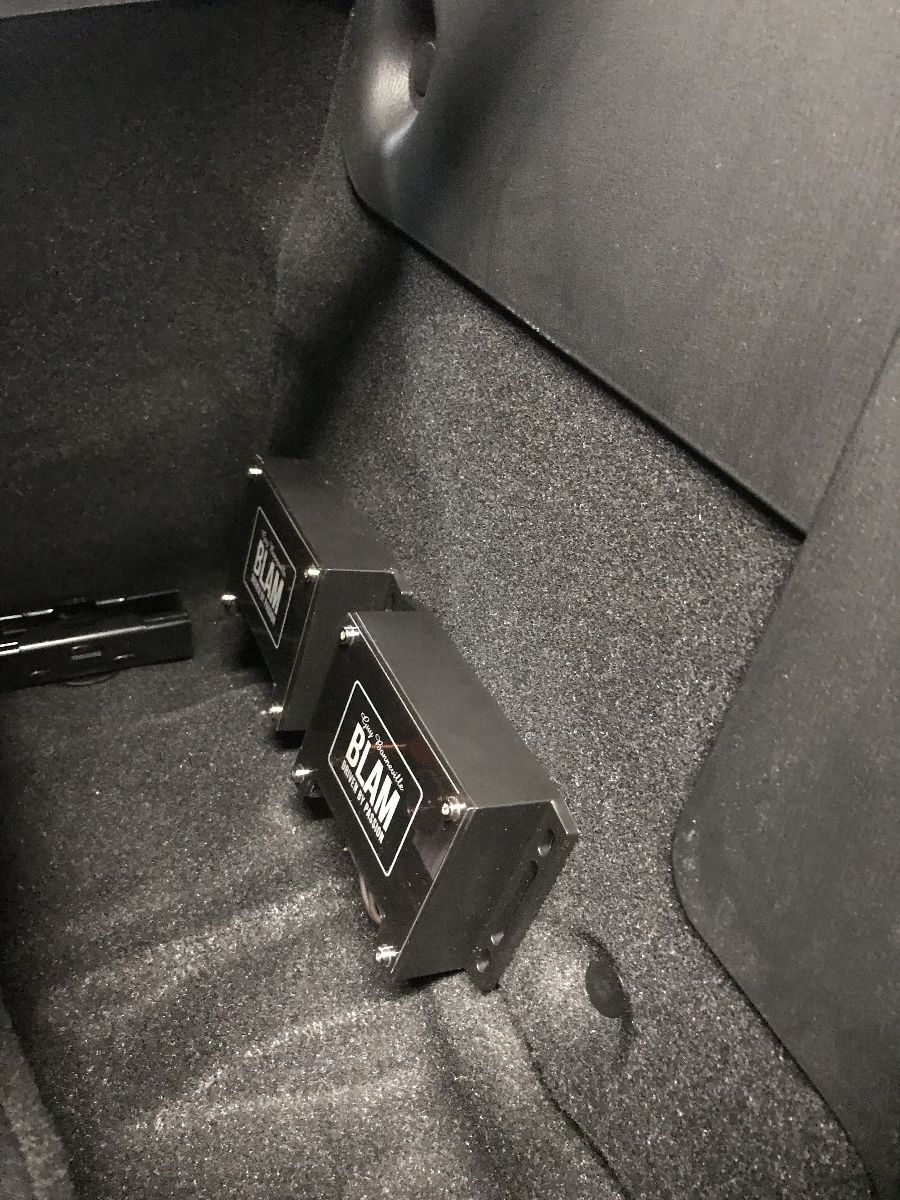
Leverage the existing passive components to smartly build a solid audio foundation through a DSP refresh.
【DSP Replacement Labor Fee for Vehicles with Existing Passive Networks】
I like the speakers I’m using now, but I’d like to fine-tune the overall sound cohesion and imaging a bit more.
That’s exactly what this installation is for: removing the existing passive network and controlling the speakers individually with a DSP.
When a passive-network system is changed to a DSP specification, it becomes easier to make detailed adjustments to the left-right volume balance, the continuity of the sound, the perceived position of the vocals, and more—tailored to your car. Even if, while listening to your usual music, the sound spreads too much to the left and right, the vocals feel too close, or the instrument positions are hard to lock in, switching to DSP makes it easier to explore improvement directions.
However, this is not a simple job of removing the passive network and swapping the wiring. Depending on the length and routing of the existing wiring, as well as the locations where the left and right passive networks are installed, the actual installation work will differ.
Target conditions for this labor-fee menu
This menu applies when the following conditions can be confirmed:
- There is enough spare length in the existing wiring to accommodate what’s needed
- The left and right passive networks are grouped together in positions that are easy to work on
- Even after switching to the DSP, the wiring can be organized neatly without forcing it
- The work can be completed without re-running the speaker cables
If the left and right passive networks are installed in separate locations, this menu does not apply. For example, in layouts where one side is under the seat and the other is deep under the footwell, it may be easier in terms of final finish and adjustment to re-run the speaker cables rather than trying to connect and swap wiring in a forced way.
If you proceed when there isn’t sufficient length in the wiring, things may not fit neatly, or you may encounter limitations for adjustments or maintenance later. If it were me, I wouldn’t try to force the job to fit this labor-fee menu; instead, I would properly re-run the portions that need it so that you can take full advantage of the DSP’s performance.
Why we check the actual vehicle at LOGON
When you visit the shop, we confirm the current speaker configuration, the placement of the passive networks, and the wiring condition on the actual vehicle.
- Whether the current wiring can be used
- Whether there’s any strain in the left-right wiring routing
- Whether there will be a sufficiently adjustable state after DSP conversion
- Whether it would be better to re-run the speaker cables
After checking these points, we will guide you on whether the work can proceed under this labor-fee menu or whether another installation approach is necessary. Without seeing the actual vehicle, a decision could end up changing once work begins—so this is something we want to confirm accurately.
Also, vehicles where LOGON has installed the speakers often have the left and right passive networks grouped together, so there are cases where it’s easier to proceed with the DSP swap. Being able to consider the best method for that specific vehicle while checking past installation records is also a benefit of continuing to consult with the same shop.
A DSP is not equipment where the sound is “finished” just by mounting it. By organizing the wiring properly, aligning the signal flow, and then adjusting it to suit your car, you can bring out greater sound cohesion and ease of listening.
If you want to step up to a DSP while keeping your current speakers, or if you’re wondering how to develop from an existing passive setup, let’s first organize the direction together while looking at the condition of your vehicle. We’ll separate what can be done from what you should do, and guide you in a way that makes it less likely for the plan to change later.