Basic speaker replacement labor cost (including bi-amping)
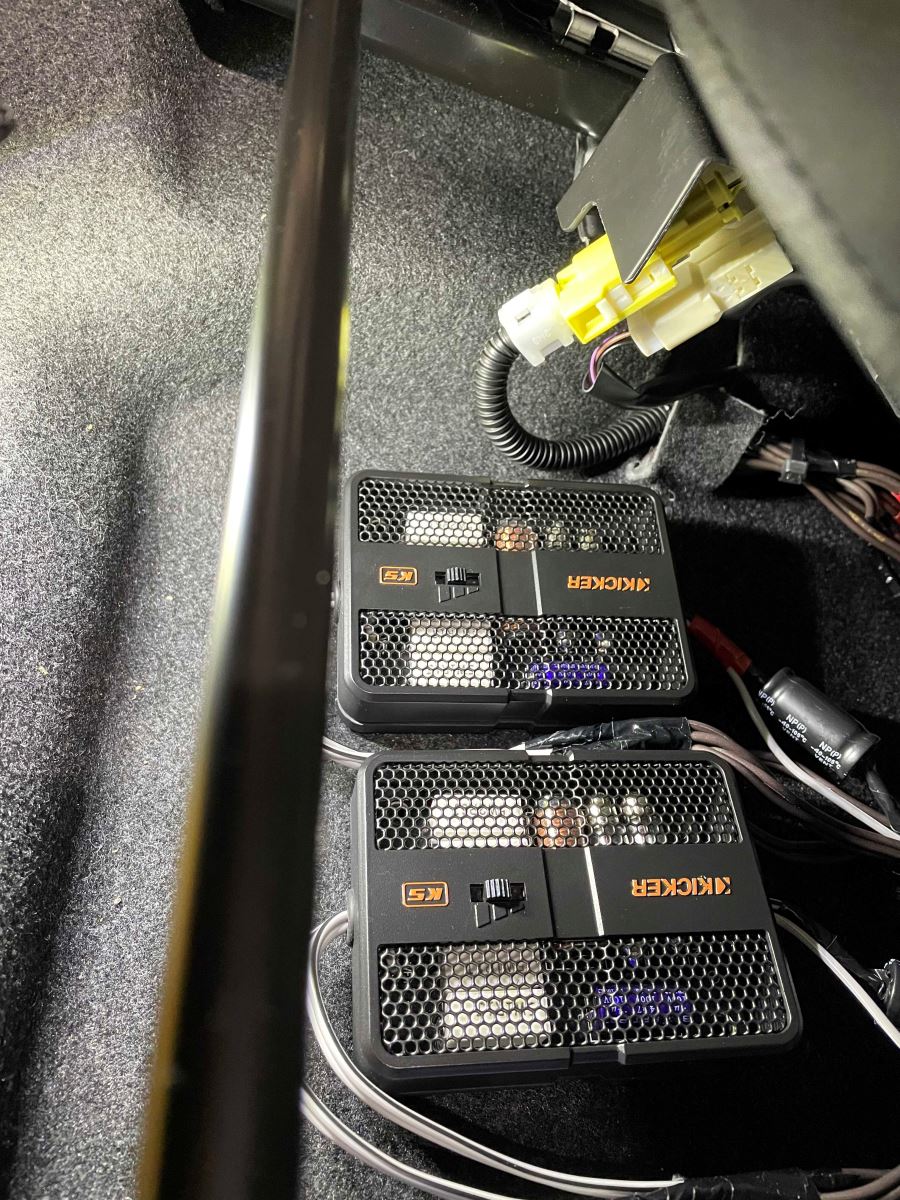
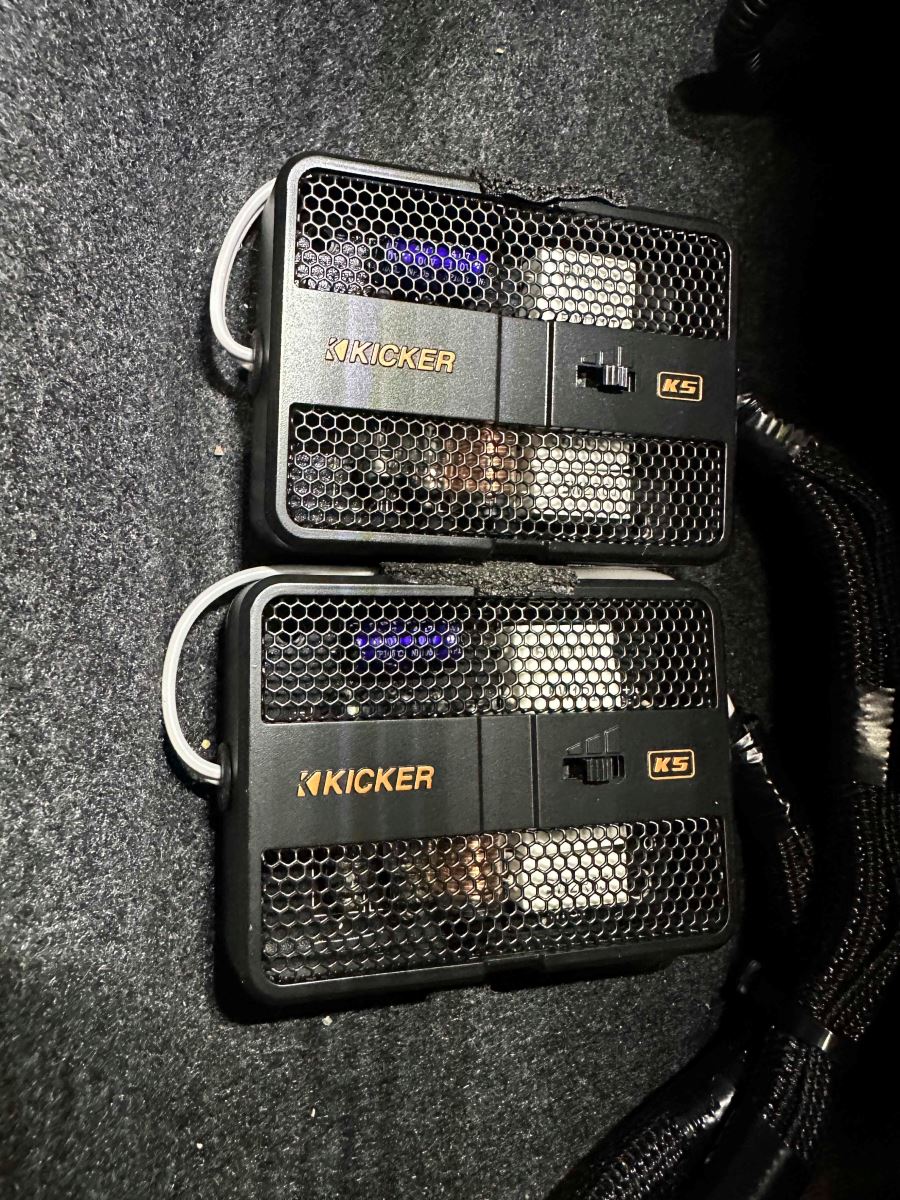
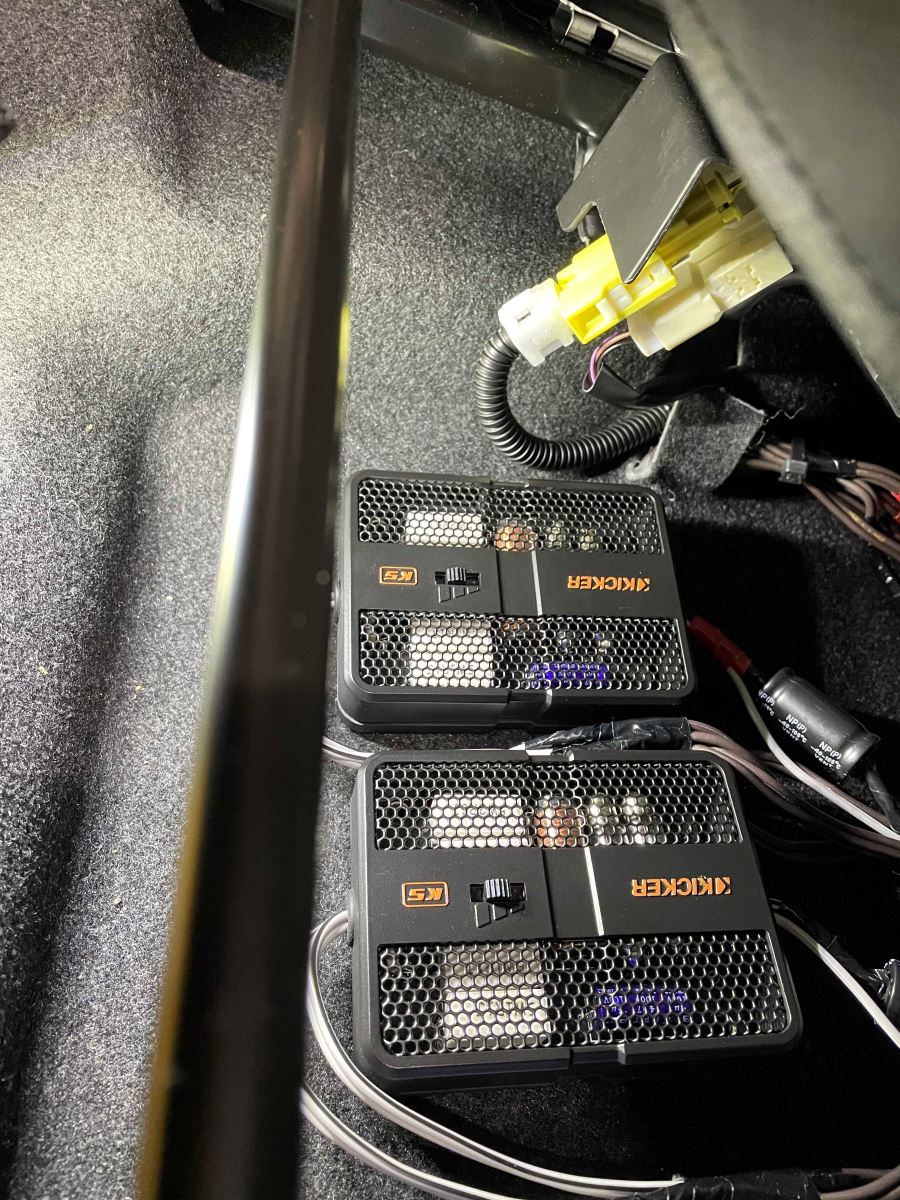
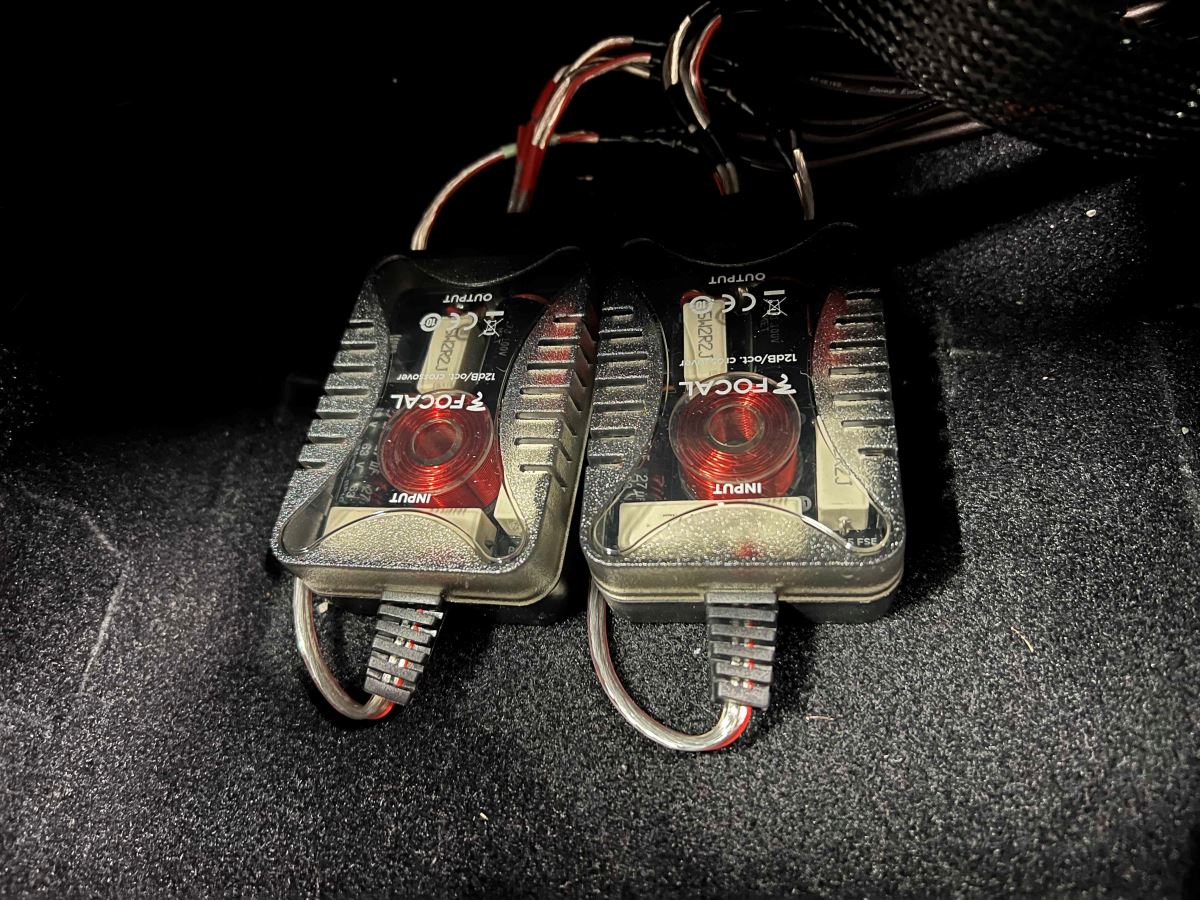
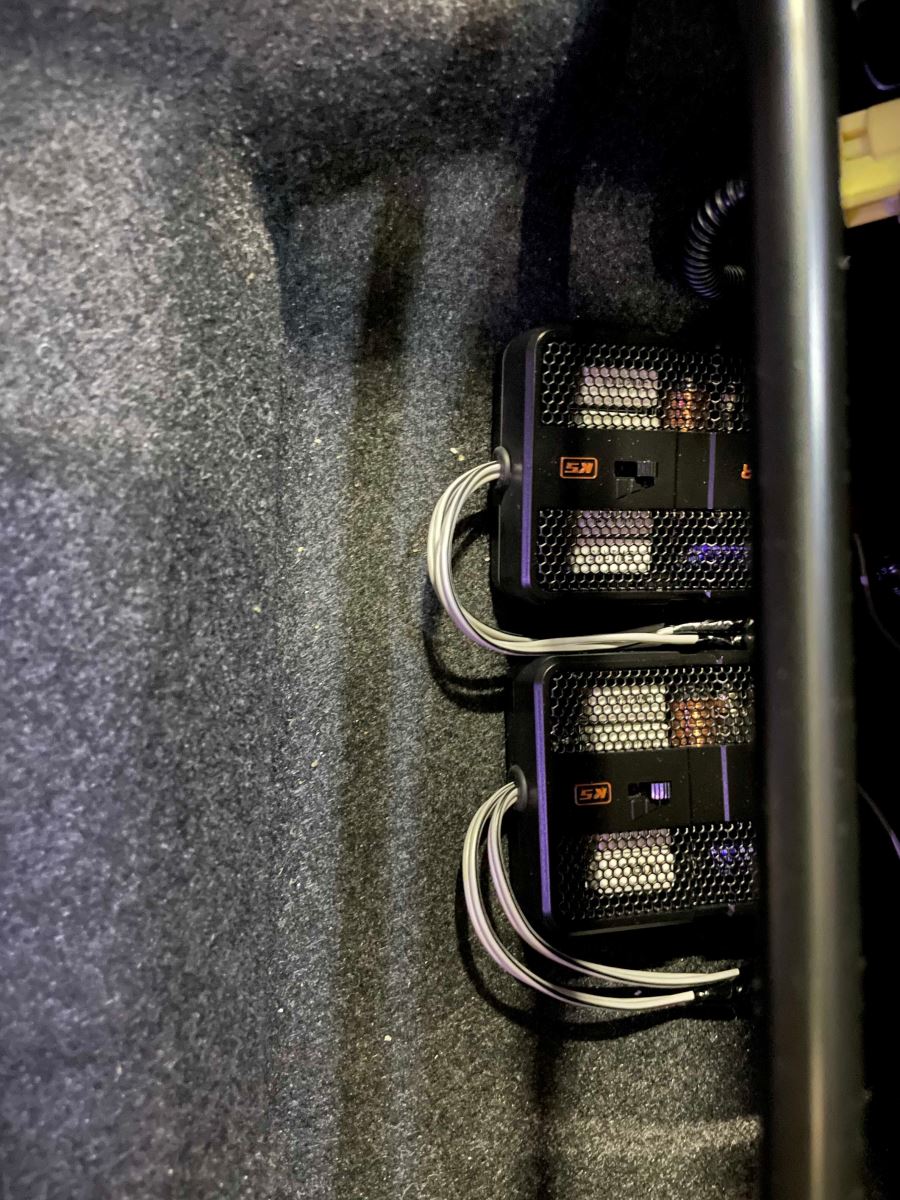
Instead of using the rear speakers, it is also possible to use normal wiring to make the rear speakers sound from a bi-amp with double the power of the front speakers.
[Adjust Tweeter Volume in Your Hand with Passive Network Bi-amp Connection]
Passive Network (Including Bi-amp)・Vehicle-Specific Additional Special Work is a LOGON original installation menu designed to give you a bit more flexibility in how the front speakers sound in systems where you don’t use rear speakers, or where the rear channels have some spare capacity.
With a typical front speaker replacement, the volume balance between the tweeters and the door speakers is often determined by the passive network settings and/or adjustments after installation.
In this installation, you use the navigation or head unit’s rear channels for the tweeters, and if your system is compatible, you can easily adjust the tweeter volume feel from where you’re sitting using the fader control.
When the high frequencies feel a little too strong, when the vocal position seems too high, or when you want the tweeter’s output to change slightly depending on the song.
In those situations, being able to adjust from the head unit with a feel similar to front/rear balance makes everyday music much easier to manage.
For Those Who Want to Fine-Tune How the Highs and Vocals Sound
Inside the car, how the high frequencies are heard changes dramatically depending on the tweeter mounting position and angle, as well as reflections from the dashboard and the windshield.
“Highs are a bit too sharp.”
“I want to hear vocals in a more natural position.”
“I want to change the brightness of the sound slightly from song to song.”
“I don’t want to add DSP, but I want to get the sound a step further into shape.”
For people like this, being able to touch and adjust the balance between the tweeter and the door speaker from your seat is quite practical.
By adding a full-fledged DSP or an external amplifier, you can create even more detailed sound.
However, not everyone needs a system that advanced.
In day-to-day use, without adding complicated operations, you can adjust on the screen of your usual navigation system or head unit.
I think this kind of ease is an important part when you plan to use it for a long time.
An Installation Suited for Front-Focused Sound Tuning
There are also ways to drive the rear speakers firmly and spread the sound throughout the entire cabin. But at LOGON, we often recommend a front-focused setup where music is heard naturally from the front.
In that case, rather than leaving the rear channels unused, you can put them to good use for the tweeters—giving you a wider adjustment range around the front.
If it were me, and I were finishing the car with a front-focused approach on the premise that I wouldn’t use the rear speakers much, I think this method is quite realistic.
Because it creates room to dial in what’s easy to listen to, without needing a major system upgrade.
Especially, if the tweeters are coming out too strongly, you may feel tired after listening for long periods.
On the other hand, if they’re too subdued, the sense of soundstage expansion or the finer details may feel lacking.
Having a way to align that “middle” while listening in the actual car is the good point of this installation.
It’s Not Just About Splitting the Wiring
A bi-amp connection isn’t simply a matter of separating the wiring.
There are pros and cons depending on the speakers you use, the specifications of your navigation system or head unit, the vehicle’s wiring, whether you have rear speakers, and your planned system upgrades in the future.
If you assemble it the wrong way, it may not only become harder to adjust—it can also result in poor sound cohesion and make later specification changes difficult.
At LOGON, we guide you by looking not only at whether it’s possible, but also at whether it will be actually easy to use, whether the sound will be cohesive as audio, and whether the configuration won’t cause problems later.
Even with the same speakers, the impression changes depending on how you drive them.
By combining this additional work with a front speaker replacement, you’re more likely to see differences in post-install adjustment and day-to-day usability.
For Those Who Want to Make a Speaker Replacement a Little More Their Own
This installation isn’t a menu that adds flashy parts.
But it does have a real impact on how easy it is to use when you’re actually listening to music.
- I don’t use rear speakers much
- I want to build the sound primarily around the front speakers
- I want to adjust the tweeters’ output slightly
- I want to improve the sound a bit without going all the way to DSP
- I want to make good use of the functions of the factory navigation system or head unit
If you’re one of these people, this is an additional task worth considering.
Whether it’s compatible and which connection methods we can recommend will vary depending on your vehicle’s specifications, the speakers you install, and the functions of your navigation system/head unit.
Rather than deciding too rigidly in advance, it’s best to confirm together during a consultation for a speaker replacement or audio installation—while looking at your actual car and the system details.
If you want to make your front speakers sound comfortably, thinking about things up to this point will change the level of satisfaction with the final result.
If you want your usual music to sound more natural and closer to what you like, please feel free to consult us.